Pop’s Love and Betrayal of its Personal Lives
The first time I listened to Lily Allen’s latest album, West End Girl, I already knew what it was about. My eyes had skimmed over the headlines of articles revisiting her Architectural Digest tour, the ethics of an open marriage and, of course, the breakdown of her marriage with the tabloid-branded “sex addict” David Harbour. Reviews and Instagram Stories told me that the album was revealing, honest, devastating, that it was an account of a woman discovering a sense of empowerment through exposing her ex-husband’s wrongs. The album seemed inescapable, and I felt a sense of urgency to listen to it before the conversations around it disappeared. So in submission to my gluttonous algorithm, I sought out confirmation of what was being fed to me.
There is undoubtedly something captivating about a woman talking so openly and shamelessly about her personal life. As a teenager, I held on tightly to any flash of feminist sensibility I could find in music, meandering my way through my parents’ CD collection of 90s rock until I held Jagged Little Pill in my hands. Alanis Morissette made me squirm – the lyrics felt cringey, messy, and, at times, disgusting, which was what made them so brilliant and exciting to my adolescent ears. West End Girl attempts something quite similar as it takes us through the extremes of Allen’s relationship, from the initial highs of being told ‘You want it? It's yours’ in the titular track, to the revelation in Pussy Palace of ‘Sex toys, butt plugs, lube inside, Hundreds of Trojans, you're so fucking broken,’ and invites us behind the door of her Brooklyn brownstone to survey the wrongdoings she has been the victim of. The scenes of deceit and lies – woven through images of West End shows and hotel rooms, dating apps and social media paranoia – are incredibly lonely, a familiar feeling for any woman who has watched the illusion of a loving relationship contort into a bleak reality.
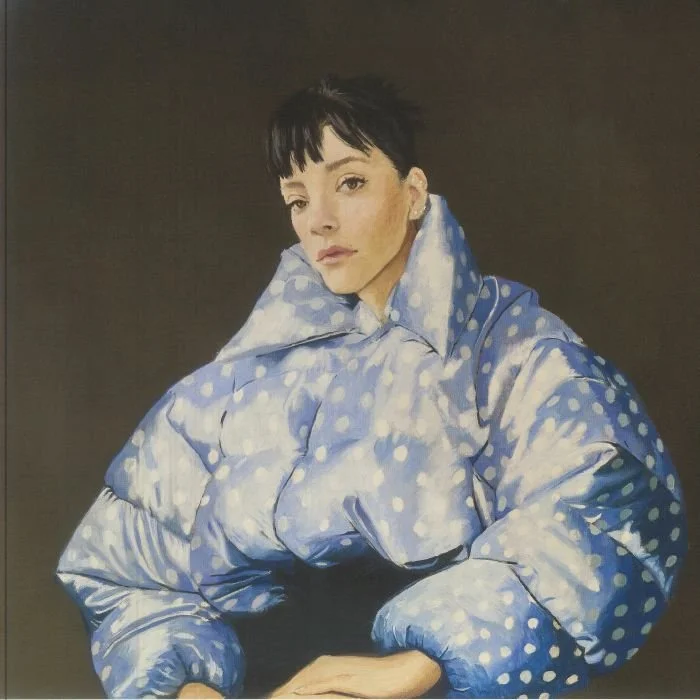
Album cover of Allen’s West End Girl, 2026, BMG.
Painting by Nieves González.
Allen says that she finished West End Girl in just sixteen days, and its immediacy, which gives us a perceived closeness to her own situation, is what its merit rests on. Sharing the uncomfortable details of her pain, her embarrassment, and her anger gives her voice an untouchable authority– there’s little vulnerability left to be used against her, and claiming the right to her side of the story in such a manner deserves the admiration it has brought her. Yet, as I listened to her wander back through the events that led her to the acceptance that ‘It's all you've always done, it's what you do’, I found myself unaffected by any of the qualities its admirers had connected with. It doesn’t share the dynamism that I’d heard on Jagged Little Pill, and instead the music seems flat and uninspired, with the shock of each revelation fizzling out before each song ends. And, for all of the album’s strengths of openness that I appreciate, there was something slightly perverse about the experience of listening to it. The dirty urge to leer into these songs, with a weird mixture of intrigue and sympathy, and match them up to their real-world events tapped into an embarrassing desire that left me feeling foolish… almost like I had fallen for a clickbait headline. Not apathetic, yet not moved, I felt rather shallow, as though I had been listening to something that was none of my business and was left to try and sheepishly unhear it.
The growing number of glowing reviews for West End Girl left me confused. I ruthlessly searched past articles that gave it four and five stars for an opinion that reflected mine, starting to question whether I had been too unfair, too heartless. I could see why the album could have the ability to make people feel connected to Allen, but it didn’t have the power to move me in the same way as Fiona Apple’s uncompromising accounts of tumultuous relationships on Fetch the Bolt Cutters, or Beyoncé’s disruptive songs of betrayal on Lemonade. There is a spark that keeps me returning to these albums, one that gives me something new to float around in my imagination on each visit, that is missing from West End Girl. Its detailed candour is too tied up in presenting a narrative that wants to prioritise the actualities, making the album and its story seem fleeting – like the front cover of a tabloid already being used for a child’s first papier-mâché. These details feel like a distraction from how uninteresting the album is sonically and its lack of imagination past its confessional lyrics. My prior knowledge of the events that inspired the album has obviously intruded upon my consumption of Allen’s words, but I couldn’t help but question, admittedly rather cynically, whether or not this factual information was being used in West End Girl for an audience wider than the one between the artist and the listener.
An interest in the relationships of women in pop music is nothing new. We cared about what was going on with Britney Spears and Justin Timberlake, JLo and Ben Affleck, Beyonce and Jay-Z. But something has changed about the way that we are given information about the personal lives of these celebrities. The most obvious of these is the control that social media gives them over their image – we can still have that feeling of peeking into their world whilst they keep us at arm's length. There are layers to this, with record labels, managers, publicists, and sponsorships all playing a part in their curation, but there has undoubtedly been a shift in the power celebrities have over how we consume their image. Whether that’s the staged paparazzi shot – being caught in an embarrassing paparazzi shot appears to be becoming a distant past – or choosing which other celebrity “friends” to post on the grid, any publicity is good publicity is becoming a truism for major celebrities who can design their image as they wish. Combined with the slow fizzling out of long-form video interviews that have now been reborn into shorter, standardised formats – pre-prepared lists of favourite films and restaurants, public transport hot takes – we have lost out on these small glimpses into personalities that once helped us to feed our desire to really know a celebrity. And since control is now the most important currency for a pop star, what better place is there to assert that than through the music itself?
Take Brat, another album that flirted with the audience’s intrigue around who the real-life cast of each song could be. One of the more speculated upon tracks, Girl, so confusing, saw Charli XCX tease clues that could lead to the girl she found so confusing, telling the listener ‘they say we've got the same hair’ and ‘you're all about writing poems’. A few weeks after the song hit the internet, a remix was released with an additional verse from Lorde explaining why she had been ‘so confusing’, along with a screenshot of a text message confirming that she was the girl in question. This song, or the versions of this song, are a playful and light-hearted attempt at exerting control over what a song is “about”, toying with denying a personal interpretation from fans and questioning their desire to know the source material. Lines like ‘the internet will go crazy’ instructed the response to the song, leading a parade of neon green fans straight to the virtual altar of Charli XCX. The word parasocial gets thrown around a lot these days, particularly when it comes to young women and popstars, but it seems unfair to blame such a response when an album has, at least in part, been orchestrated to invite it.
As well-received as both Brat and West End Girl have been, it's hard to ignore how the inclusion of details from “real world” stories has contributed to the interest in them, turning online discussions of these stories into a subtle marketing campaign for the albums. I wouldn’t say it’s nefarious of Charli XCX and Lily Allen, or their labels, that this has been the result; it's more just the way that the world of pop music has evolved – listeners have been encouraged to care about the personal lives of musicians, and the more that can be revealed to them, the more interest the album will have. My disillusionment with West End Girl feels more to do with this fascination in the speculation around Lily Allen’s life overtaking the interest in the music, forcing the album to become the conclusion to the speculation, rather than something that exists outside of it.
To know an artist, to be aware of what is going on in their life, how they feel, what they think, is a salacious dream for superfans. Reinvention, an important tool for any popstar, is an essential part in giving their fans a taste of this, whilst simultaneously changing any understanding of it at all. Charli XCX left behind the more mainstream pop persona on Crash to become the “cool girl” on Brat, whilst Lily Allen moved from a softer, more considered attempt at the confessional lyricist on No Shame to a hardened and candid version of herself on West End Girl – and of course, before this was the ill-informed attempt to make a generic pop-feminist statement on Sheezus. Keeping tight control over one’s image for each album release by telling their fans exactly what their personality will be for the next year does, in some way, make a popstar more relatable. We want to see them develop, to move with us as our interests change and to be able to capture that through a distinct image. And, at the same time, that still gives us a separation between the “real person” and the popstar, and allows us that sense of mystique that is fading away from the world of pop music. Mystery, not being able to know for sure what a song is about, is what keeps us thinking, engaging, and talking about an album, and is what helps us to reinvent it for ourselves over and over again.
The truth and mystery are in competition with each other in pop music, with artists requiring the truth to capture the interest of a potential audience and the listener requiring the other to stay interested. When it comes to the truth, the popstar is the authority on what we think we know, making us feel as though the distance between them and us is closer the more they reveal. But why do we even care about the truth? Why did I care that Lily Allen’s ex-husband was an asshole, and why did I care that she was confirming that? As I stare at the West End Girl buttplug USB for sale on her website, I wonder if I’d ever have ended up here if it wasn’t for the headlines I’d seen about her relationship.
Cover image: Still from "La Dolce Vita," 1960, Dir. Federico Fellini, featuring a swarm of paparazzi. Sourced from Wikimedia Commons.