Art and culture through the personal
“My name is Abra. My name is Abra. I had almost forgotten that; the naming of things lost its importance here, with no one to hear them named.” So begins Gaining Ground, the newly reissued novel by Canadian writer Joan Barfoot. Gaining Ground was initially published as Abra in Canada in 1978 and it is being reissued by Faber in the United Kingdom this month. When the book came out it …
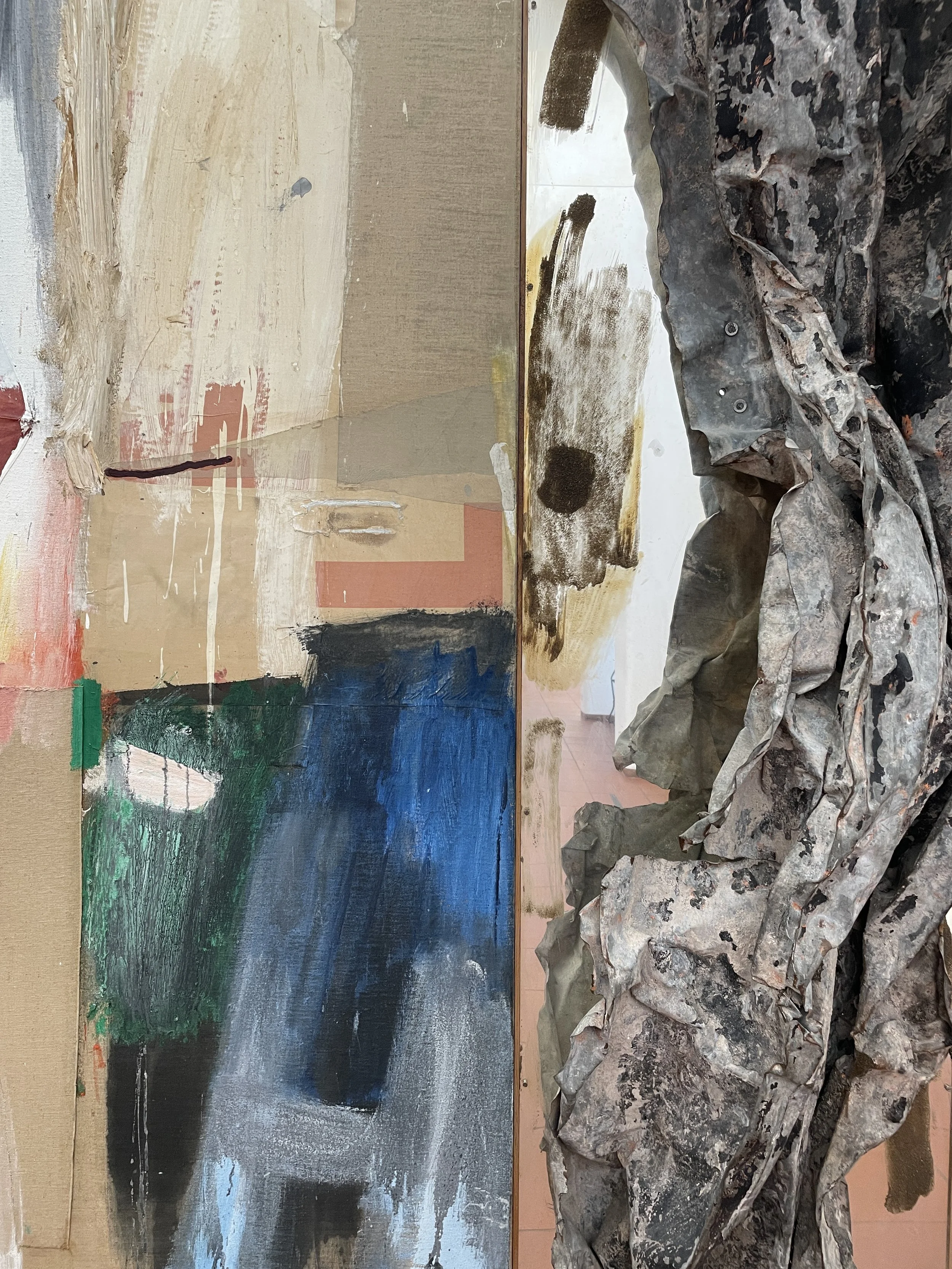
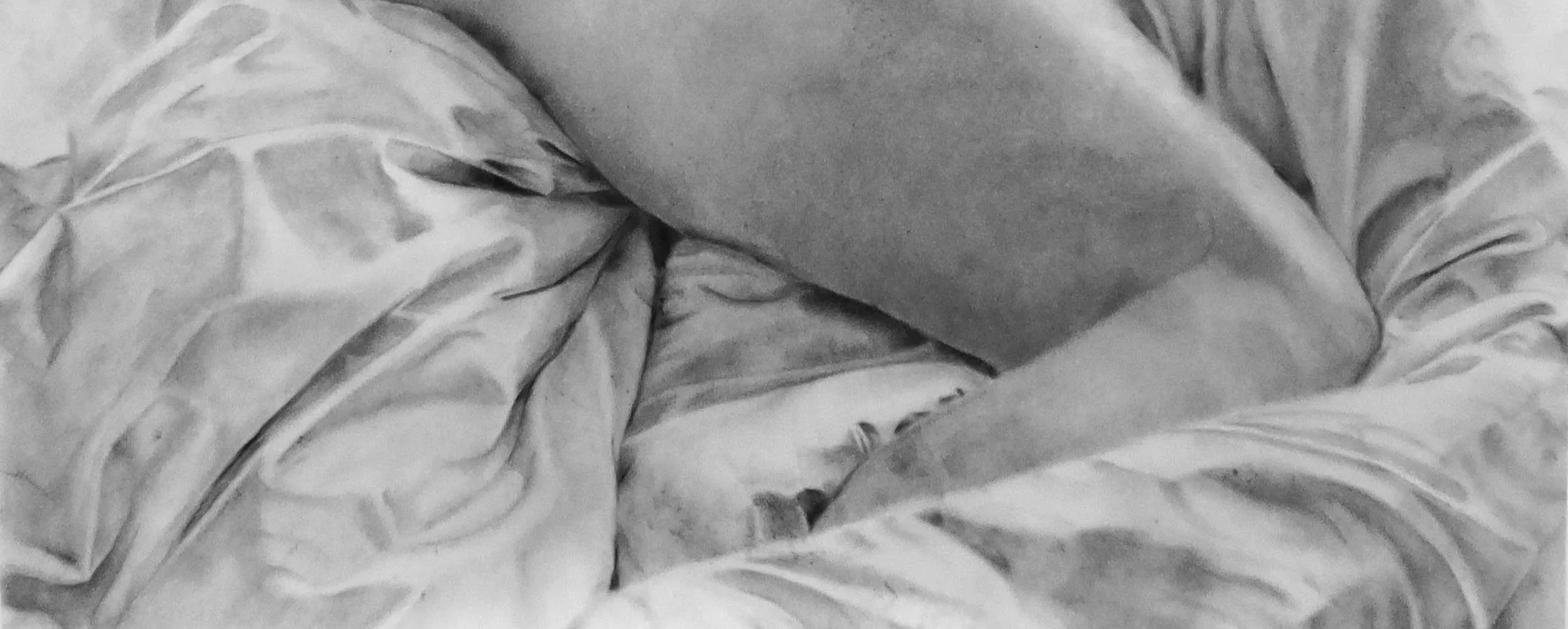
On a long walk, I wander into a solo show of the artist Pierette Bloch.
The main room has a long wall text that I mostly skim ... something about the repetition and rhythm within her practice resembling time within music.
Across the room, I see a piece covered in short marks of rich black ink.
In the block next door to me lives a man with scars running up from either side of his mouth, a violently extended smile. His top-floor flat was once home to a pack of black and white cats he got as kittens, or perhaps bred, but once the cats became old or bold enough, they escaped from their balcony, down to freedom in the concrete streets of East London below.
When I was 12, or 13 or 14 I had a Joan Baez record. I had about 20-30 records then in my collection. Some were given to me, from my grandfather, and maybe my cousin, who I considered an expert of music at that time (she was a Beatles fan), and some I bought with my own money, earned from dog sitting, baby sitting and handing out flyers for a nearby second hand store, that paid me too little to stand for hours in the street …
Shortly after Hurricane Melissa, my aunt calls to tell me everyone’s roof caved in. The magnitude of this causes me to elide grammar in my retelling: surely I should write everyone’s roof has caved in, roof should likely be in its plural ‘roofs’, the tense of the sentence is both present and past. And of course it wasn’t necessarily ‘everyone’; she was referring to her own home …
I’ve been accused of being insincere. In March, I had a Paris love affair. The shooting of Braquâge (une évasion) caused Jacques Rivette to have a nervous breakdown. Shot in June 1975, but only released in 1978, the film, a western set in Paris about a jewel thief and her sales girl accomplice whose title combines the words braquage (robbery) and âge (age), was intended to be the third filmed and fifth released in a quintology of films Rivette called Scènes de la Vie Parallèle …
Votives, archives, storehouses, bric-a-brac shelves, the magnetic side of my boiler, mantlepieces, picture galleries, display cases, messy drawers, white IKEA Kallaxs and shelving units from Habitat, pinboards, Pinterest, the area of skin that starts under my right arm and goes down to my knees, Encyclopedia Madonnica, hard-drives with the orange rubber lifejackets, a jeweller’s well-worn fingers
Taking on a lecture titled ‘Why I Write’, Lydia Davis struggles with the why and decides instead to focus on the how. Into the Weeds, a book edited from this lecture, delivered annually to commemorate the awarding of the Windham-Campbell Prizes, started by Donald Windham and Sandy M. Campbell and administered by Yale University, opens with the initial invitation.
(Parentheses) in the Park
A summer reading event by (Parentheses) Review
Wednesday 5 August at
Outhouse Gallery
Brunswick Park, London, SE5 7RH
Readings by:
Orit Gat; Lottie Hughes; Brendton Steele; Hugo Teubal
Arrival from 6:30 pm. Readings from 7 PM
Please note, this is an outdoor event with seating on the ground. BYOB (blankets/booze). Drinks at the pub to follow. No RSVP needed.
within my autistic language
struggling to fit into language
who gets to struggle with language publicly
I remember it
as something I did
to make the body lighter.
I wrote, then burned.
I placed what remained on my tongue,
Exercise/exorcism of domestic imaginings -- when wonder is waning in restrictive margins beaten into the
page by mangled feet stepping to a monotonous, deafening pitch of life.
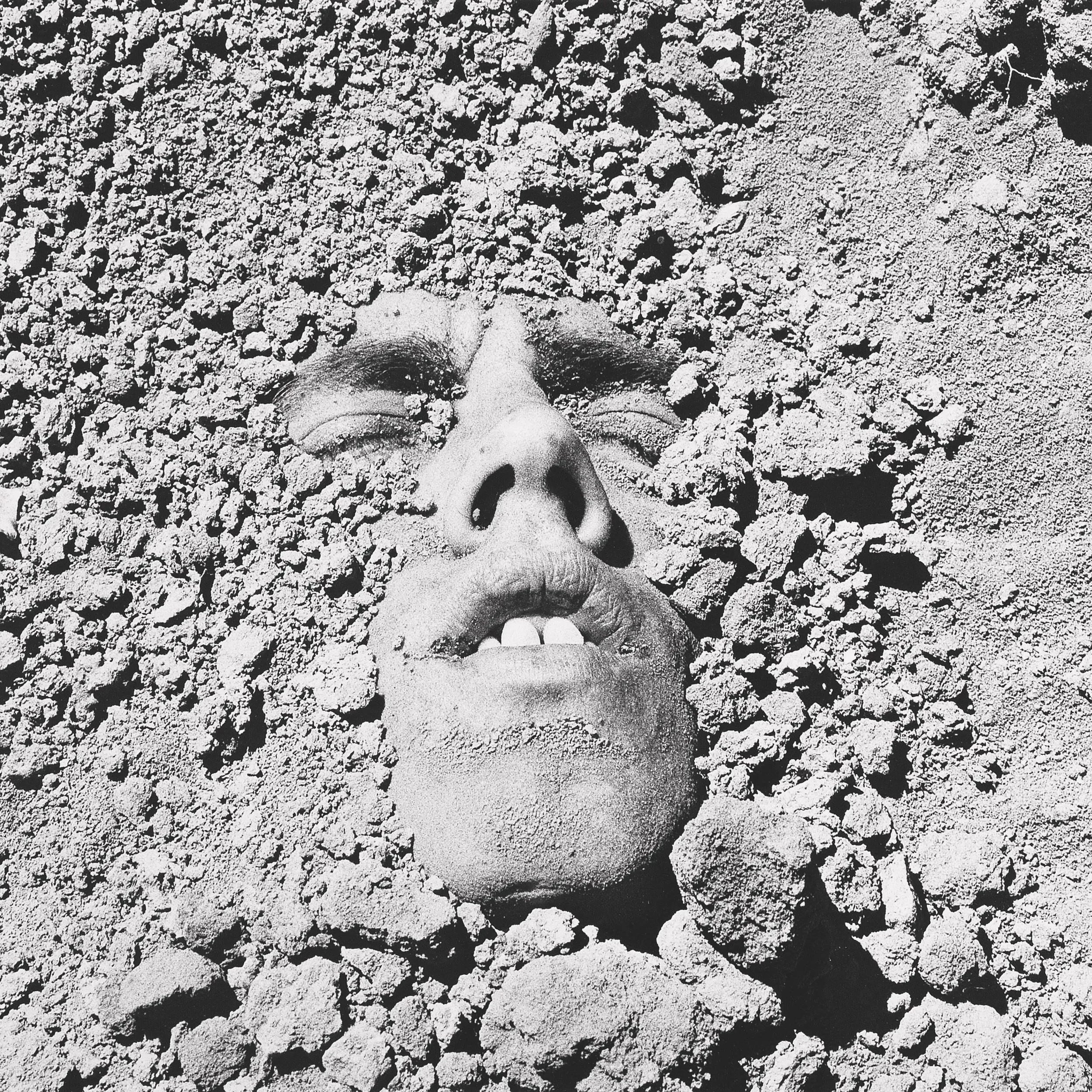
Image: Untitled (Face in Dirt), David Wojnarowicz, 1991
It’s not the moment, it’s after the moment and I see myself lying on the bed in orange light with you lying across my lap, your mouth still sucking in your sleep. I’m also asleep even though I have tried, I know I have tried not to, I know how important it is, and I see myself waking, checking my phone and realising it has been at least two hours, no more, many, many more hours of just lying there …
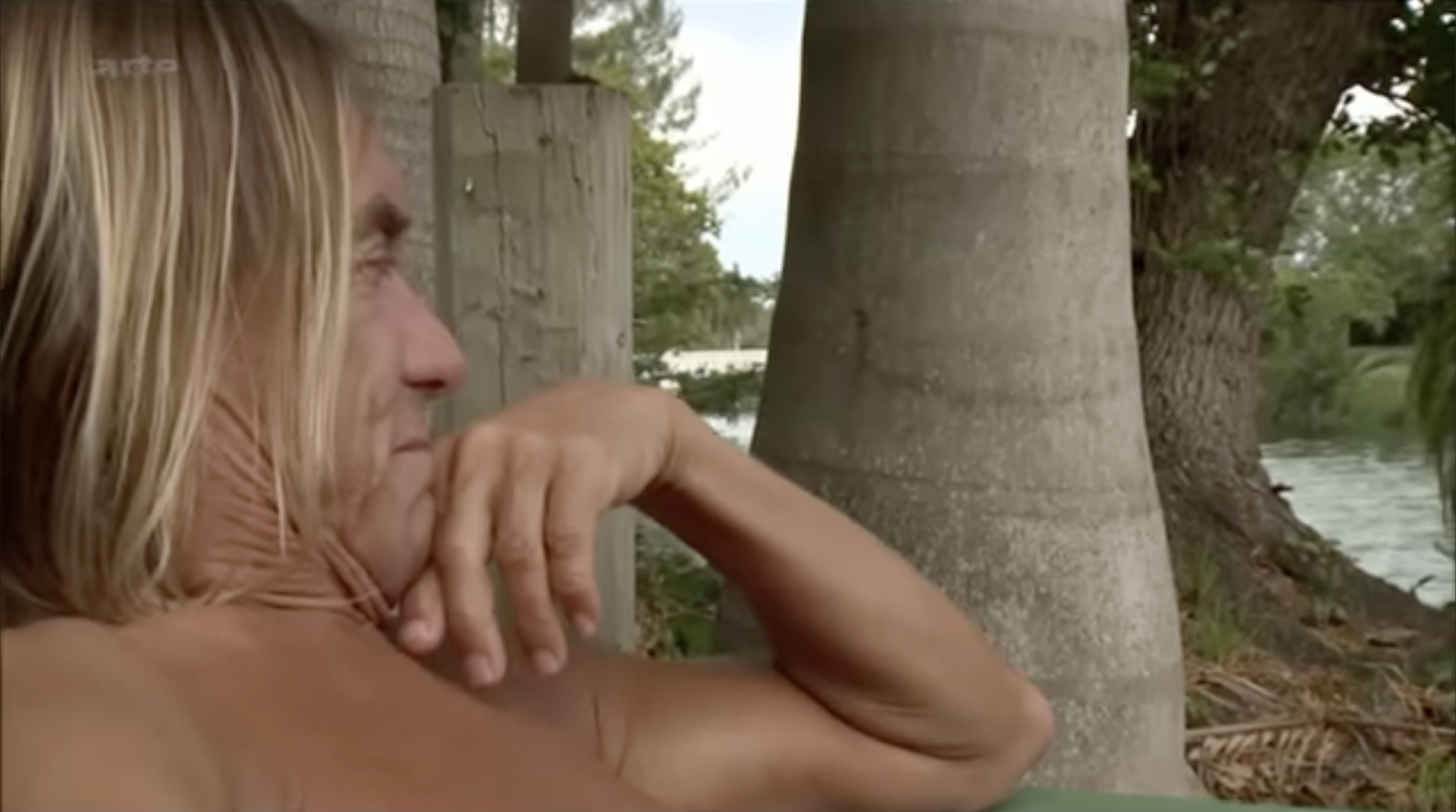
I rarely write things this real, was planning on writing nothing but poetry in Texas, but when someone tells you a story and your first and enduring thought is, Iggy Pop needs to hear this, what else can you do?
The Backrooms director, Kane Parsons, has cited the video game Portal 2 as his biggest inspiration. The online community that has sprung up around the Backrooms is obsessed with dreaming up new “levels”. Even the anonymous 4chan post that inspired the whole phenomena uses the term “noclip”. It is fitting then that the film, inspired by an urban legend steeped in video game and internet sensibilities, has already been re-released with bonus content.
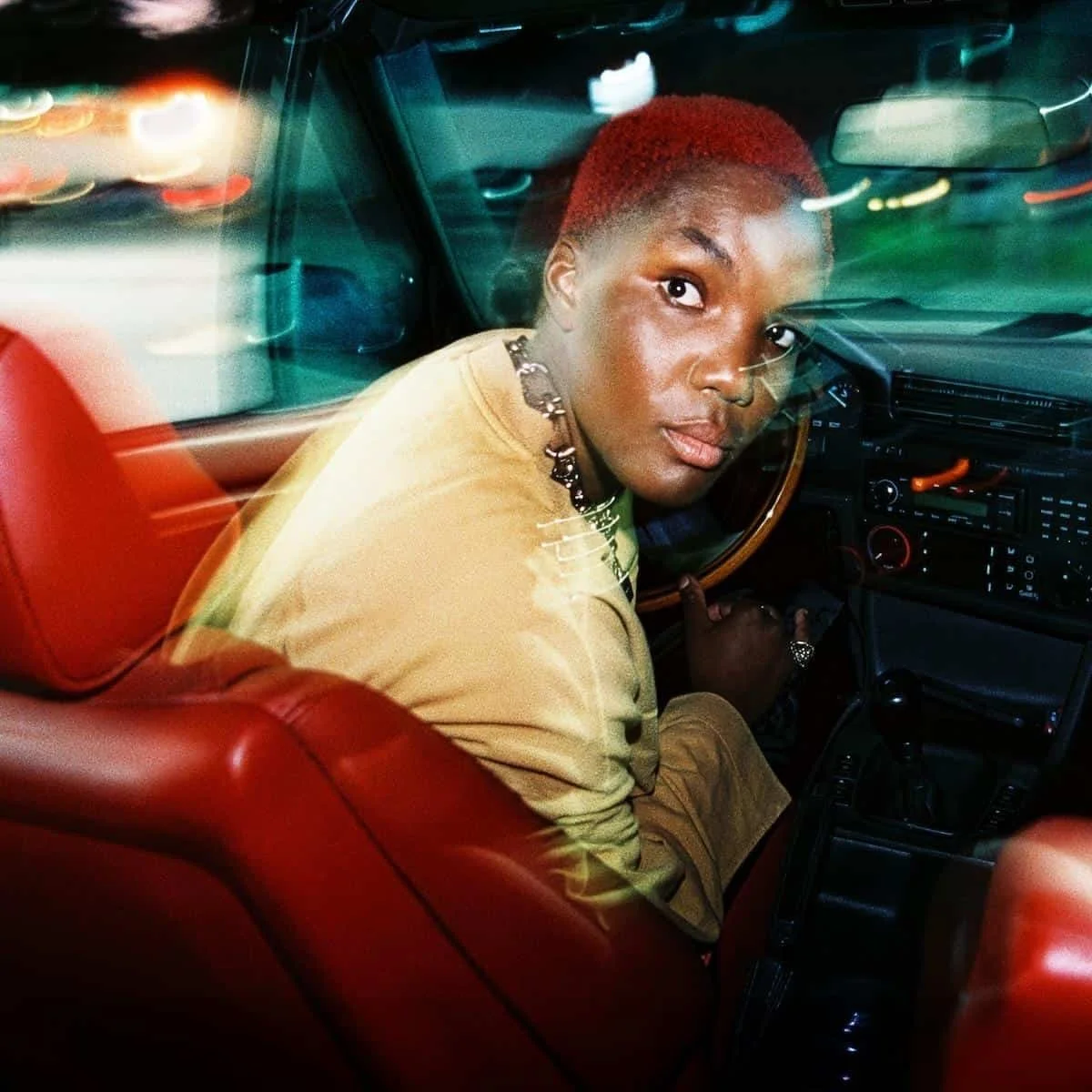
In the 1990s, the Jenny Holzer truism "It is in your self-interest to find a way to be very tender" became an art world mantra. In the 2010s, Tumblr fed it to the masses and a backlash ensued, labelling its admirers basic. Another decade on and the scales tipped again as millions of us baked bread, banged pots for frontline workers, and embraced Arlo Parks the moment we met her music.
Filmed inside the home of the artists Phillip Maberry and Scott Walker, the music video for The B52’s Love Shack is everything you would want a campy and eccentric New Wave party to be. Bang on the door of Mayberry and Walker’s Shaque D’amour and you'll find cartoonish crayon striped walls that collide with zebra print …
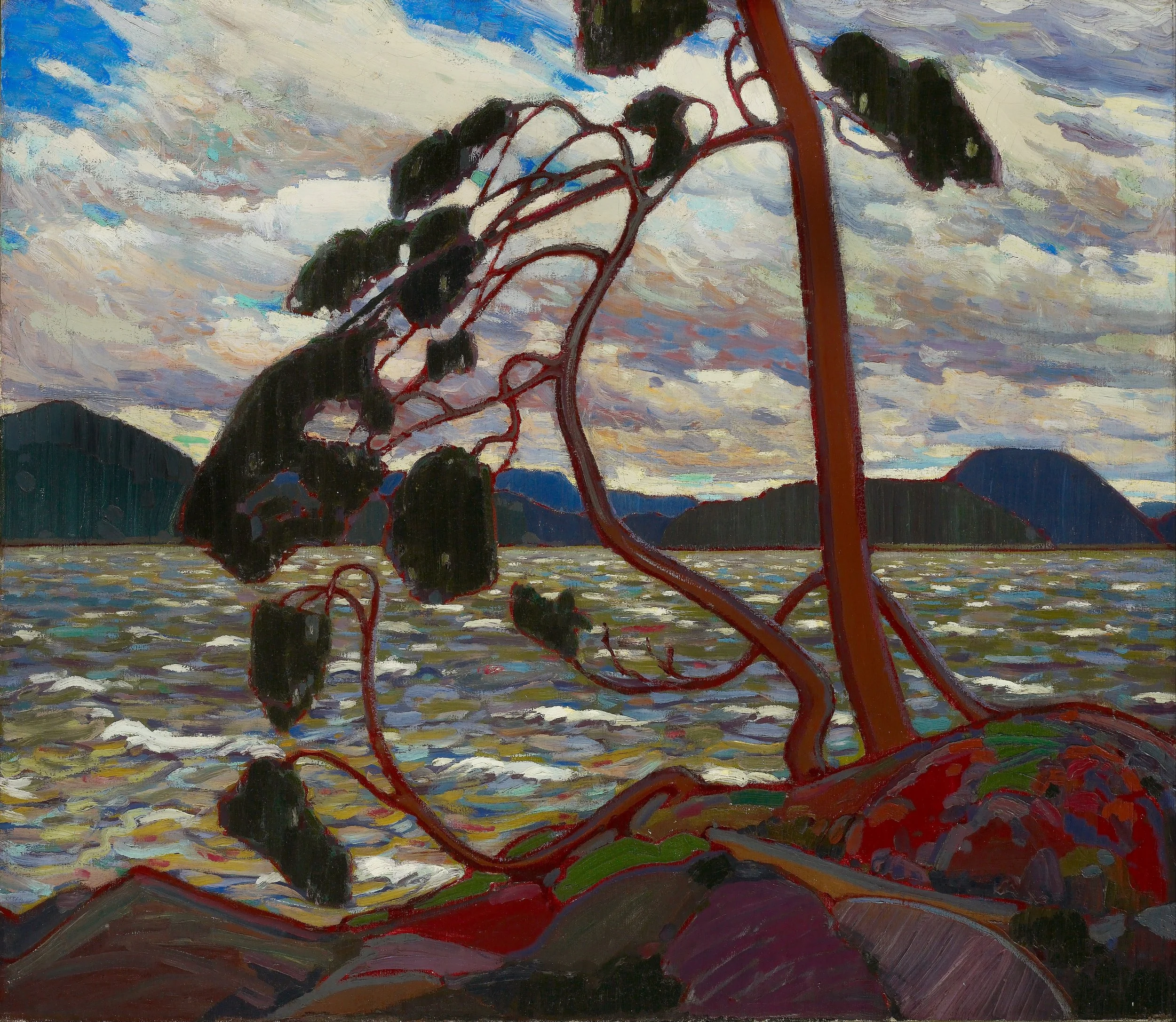
I like a painter with a landscape obsession. I feel at home with a Cezanne, returning over and over to the edge of Mont Sainte-Victoire as he tries to capture the ever-changing colour of its sloping sides. Or an Etel Adan, who did the same to Mount Tamalpais, rendering its hues in both paint and words.